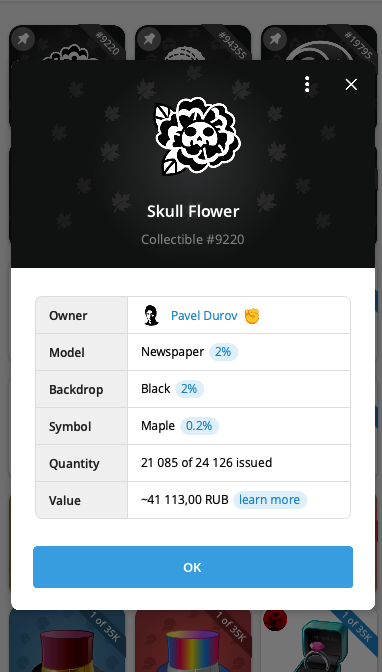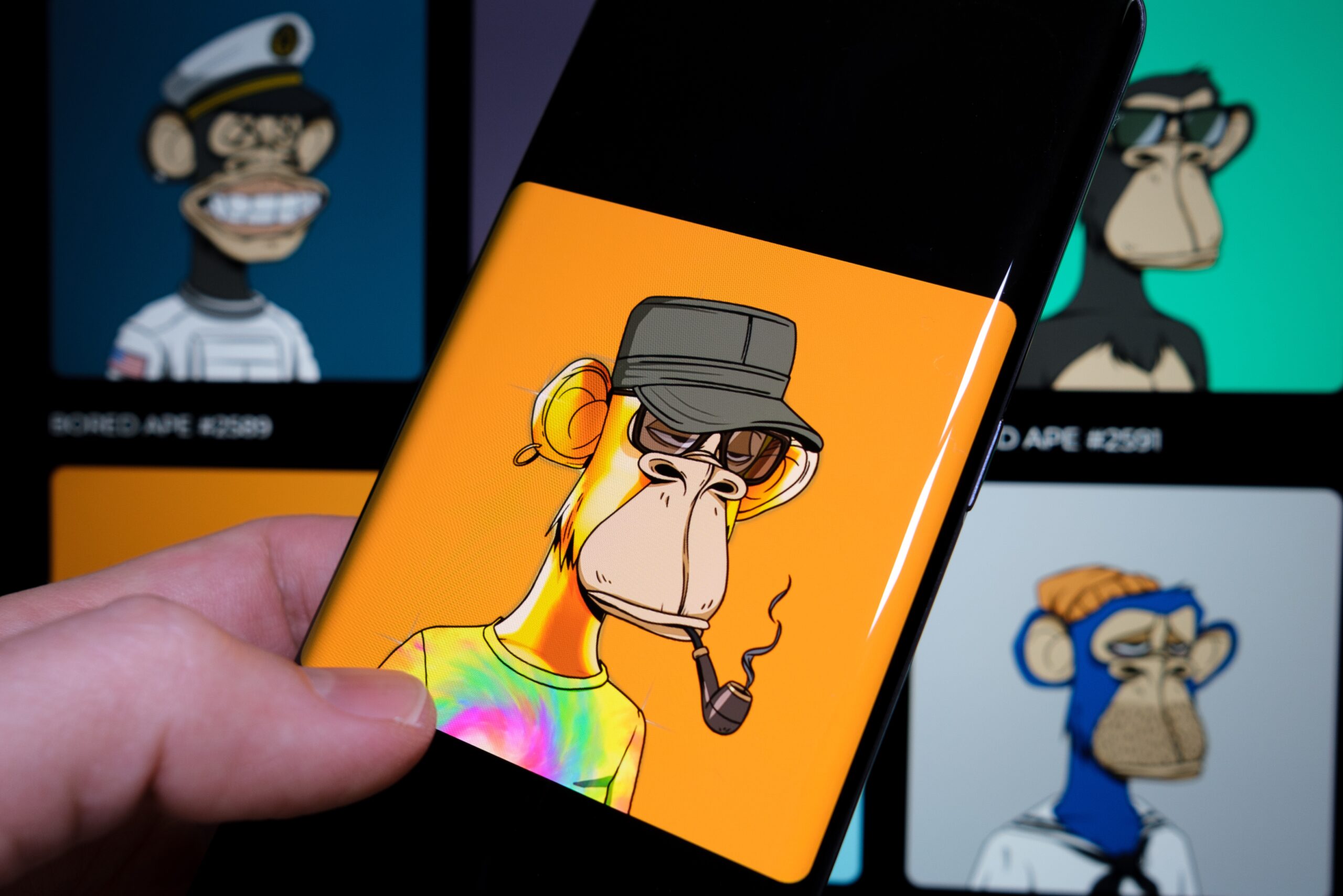
We’ve all seen the headlines: marketplaces shutting down, trading volumes dropping, and the 2021 hype cycle long gone. But then we see moves like OpenSea buying CryptoPunks and building a big reserve. NFTs aren’t simply “dead” or “alive”, they’ve split into very different realities. Let’s break it down.
1) Not One Market, But Many
“NFTs” isn’t one market. It’s multiple segments:
-
Blue-chip collectibles / art – CryptoPunks, Bored Apes, generative art. Cultural assets valued for history, provenance, and community status.
-
Utility NFTs – Game items, tickets, subscriptions. Value comes from daily use, not speculation.
-
Membership & social NFTs – Gated clubs, communities, creator groups. Value = ongoing benefits and social capital.
-
Real-world asset tokenization – Property deeds, certificates, fractional ownership. Needs legal clarity.
-
Meme coins & low-effort drops – Hype-driven, short-lived, low utility.
Each works differently. Treating them as one market is misleading.
2) Liquidity Is a Real Challenge
NFTs are harder to sell than tokens. Even famous ones can sit for weeks.
-
Prices are fragile – A few sales can move floors.
-
Valuation is subjective – Cultural relevance often matters more than on-chain stats.
-
For builders – Plan liquidity carefully; NFTs trade slower than fungible tokens.
3) Utility Works Only if Delivered
Everyone promised “utility” in 2021. Most failed.
-
Some work well: game passes, season tickets, verified access.
-
Many flopped due to poor UX (complex wallets, too many steps).
Utility only matters when it’s simple, repeatable, and used regularly, not just written in a roadmap.
4) Cultural Value: Slow but Strong
Cultural NFTs aren’t about utility. They’re about history and curation.
OpenSea’s reserve is a bet on this: a “digital museum.”
Strong curation and patient collectors can keep cultural value alive even during market lows.
5) The Market Is Fragmented
Attention is now niche-driven: Discord groups, creator channels, curated drops, and specific platforms.
Mass-market hype launches like 2021 don’t work anymore.
6) Regulation & IP Issues
Legal uncertainty is a risk:
-
What rights do buyers get (display, commercial, derivative)?
-
Are royalties enforceable across marketplaces?
-
Could fractionalized NFTs be securities?
Builders need legal clarity, especially for real-world assets.
7) Composability & Infrastructure
NFTs are powerful because they’re composable, usable across games, protocols, and apps.
But this only works if standards and integrations exist. Without adoption, many NFTs stay theoretical.
8) Creator Economics & Royalties
Royalties were supposed to create steady revenue. Reality is messy:
-
Some platforms honor royalties, others ignore them.
-
Creators need sustainable business models beyond royalties… memberships, services, products.
9) Who Should Still Build NFTs?
NFTs make sense if:
-
You create real, repeated value (daily-used game item, on-chain subscription).
-
You curate cultural assets with provenance and meaning.
-
You offer measurable benefits: events, gated content, revenue share.
If the goal is “mint, hype, flip,” the market won’t care.
10) Key Questions Before Minting
Ask yourself:
-
Who will use this NFT next week? Next month?
-
What will holders actually do with it?
-
Can we deliver benefits without complex UX?
-
How do we keep value if the market cools?
-
What legal rights are we selling?
-
Where will liquidity come from?
If you can’t answer, build the product or partnerships first.
11) Metrics That Matter
Forget vanity stats like floor price. Look at:
-
Active unique holders using the NFT.
-
Repeat use of NFT features (logins, sessions, events).
-
Market depth (buyers vs sellers).
-
Holder concentration (community vs whales).
-
Long-term retention.
Final Thoughts
NFTs aren’t dead. They’re not magic either. They’re tools.
The market is mature: copy-paste drops don’t work.
NFTs are still powerful for art, culture, gaming, memberships, and on-chain proof of ownership, but projects need honest planning around liquidity, UX, and legal realities.
What do you think?
Are NFTs dead, or are they just evolving? Are they still part of your plans in 2025, or do you think this chapter is closed?